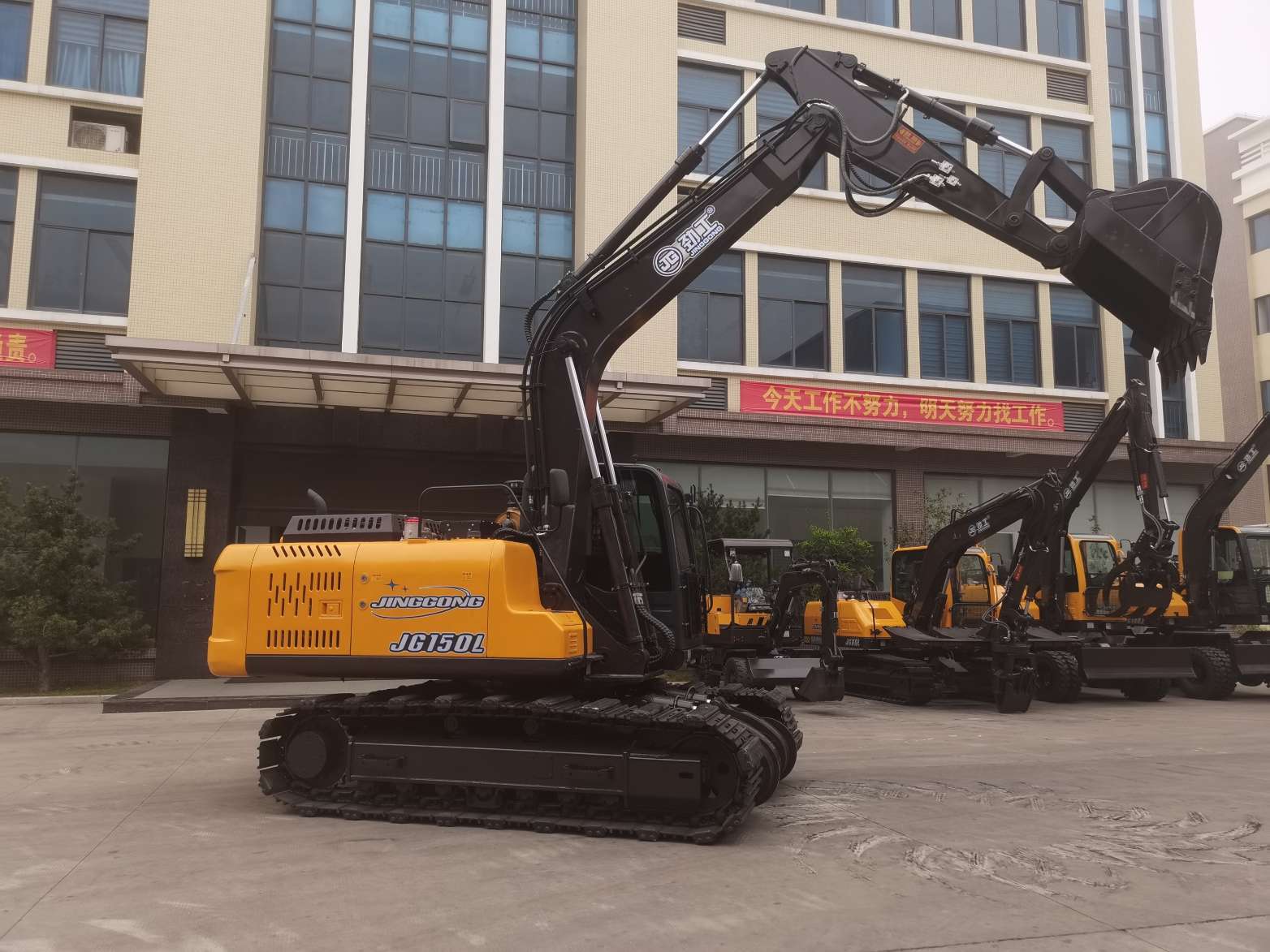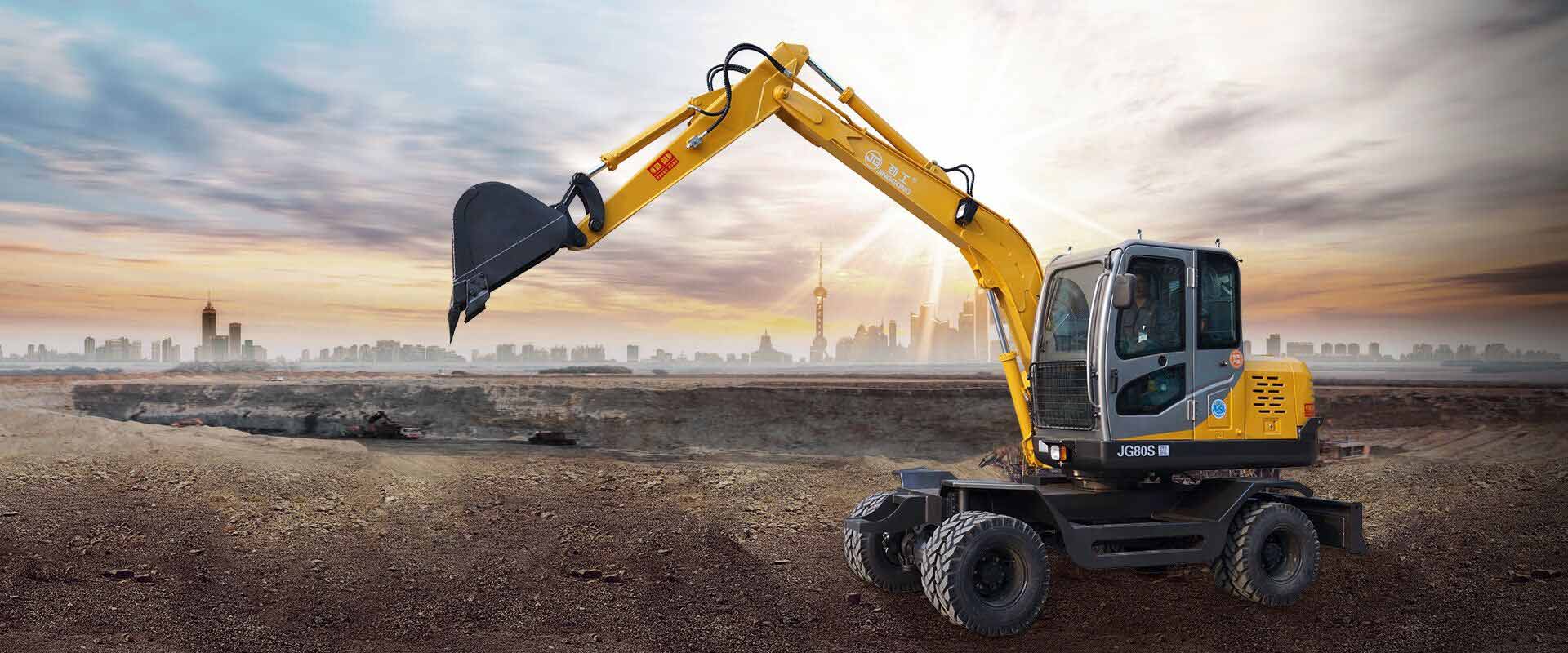
Tóm tắt bài viết:Bài viết này loại bỏ những phỏng đoán để trả lời câu hỏi thực sự đằng sau tuổi thọ của máy đào bánh xích. Sử dụngJinggong JG150Llàm tiêu chuẩn tham chiếu, chúng tôi phân tích sự khác biệt giữa "giờ hoạt động" và "năm sử dụng", chỉ ra 4 yếu tố then chốt quyết định độ bền của máy, đồng thời cung cấp các khoảng thời gian bảo dưỡng thực tế cho những bộ phận chính. Bạn cũng sẽ học được 5 thói quen đã được kiểm chứng trong thực tế để kéo dài tuổi thọ máy đào vượt quá 15.000 giờ, giúp bạn đưa ra quyết định mua hàng trị giá hàng trăm nghìn đô la một cách tự tin.
Mua một máy đào bánh xích là một quyết định trị giá hàng trăm nghìn đô la. Và nếu bạn giống như hầu hết các nhà thầu, có lẽ bạn đã từng tìm kiếm trên Google câu hỏi tương tự: "Máy đào này thực sự sẽ phục vụ tôi trong bao nhiêu năm?"
Câu hỏi hợp lý. Nhưng sự thật khó tránh là: hỏi về "năm sử dụng" là bắt đầu từ sai điểm. Câu hỏi thực sự là:Điều gì thực sự quyết định tuổi thọ của máy đào?Và làm thế nào để tôi đảm bảo máy của mình đạt đến giới hạn cao của khoảng tuổi thọ đó?
Trong bài viết này, chúng tôi sử dụngJG150L của Jinggong—một máy đào bánh xích hạng 15 tấn bền bỉ dành cho công việc—làm tham chiếu thực tế. Tại sao? Vì thông số kỹ thuật của nó cung cấp những con số cụ thể để chúng ta phân tích, thay vì những mức trung bình chung chung của ngành.
Hãy bỏ qua những phần không cần thiết và đi thẳng vào điều quan trọng.
Câu trả lời ngắn gọn: Dự kiến về số giờ và số năm sử dụng
Trong điều kiện làm việc bình thường—như đào đất tiêu chuẩn, chất tải xe tải và đào rãnh—một máy đào bánh xích 15 tấn được chế tạo tốt như JG150L thường cung cấp10.000 đến 12.000 giờdịch vụ hiệu quả trước khi cần đại tu lớn (đại tu động cơ, thay bơm thủy lực, các công việc ở cấp độ tương tự).
Quy đổi sang số năm sử dụng: Với một máy vận hành 1.000–1.200 giờ mỗi năm—mức phổ biến trong ngành đối với nhà thầu, đội máy cho thuê và đội thi công đô thị—bạn có thể kỳ vọng8 đến 12 nămsử dụng tích cực, tạo ra doanh thu.
Mẹo chuyên nghiệp dành cho người mua và người bán:"Giờ hoạt động" mới là con số thực sự quan trọng, không phải "năm sử dụng". Hai máy được sản xuất cùng một năm có thể khác biệt rất lớn về tình trạng nếu một chiếc nằm im trong bãi còn chiếc kia chạy ba ca mỗi ngày. Luôn yêu cầu xem số giờ trên đồng hồ đo giờ và nhật ký bảo dưỡng—không chỉ ngày sản xuất.
Tuổi thọ máy đào không phải là một con số duy nhất được đóng dấu tại nhà máy. Nó là kết quả của nhiều yếu tố chồng lên nhau. Đây là cách chúng thể hiện trên JG150L:
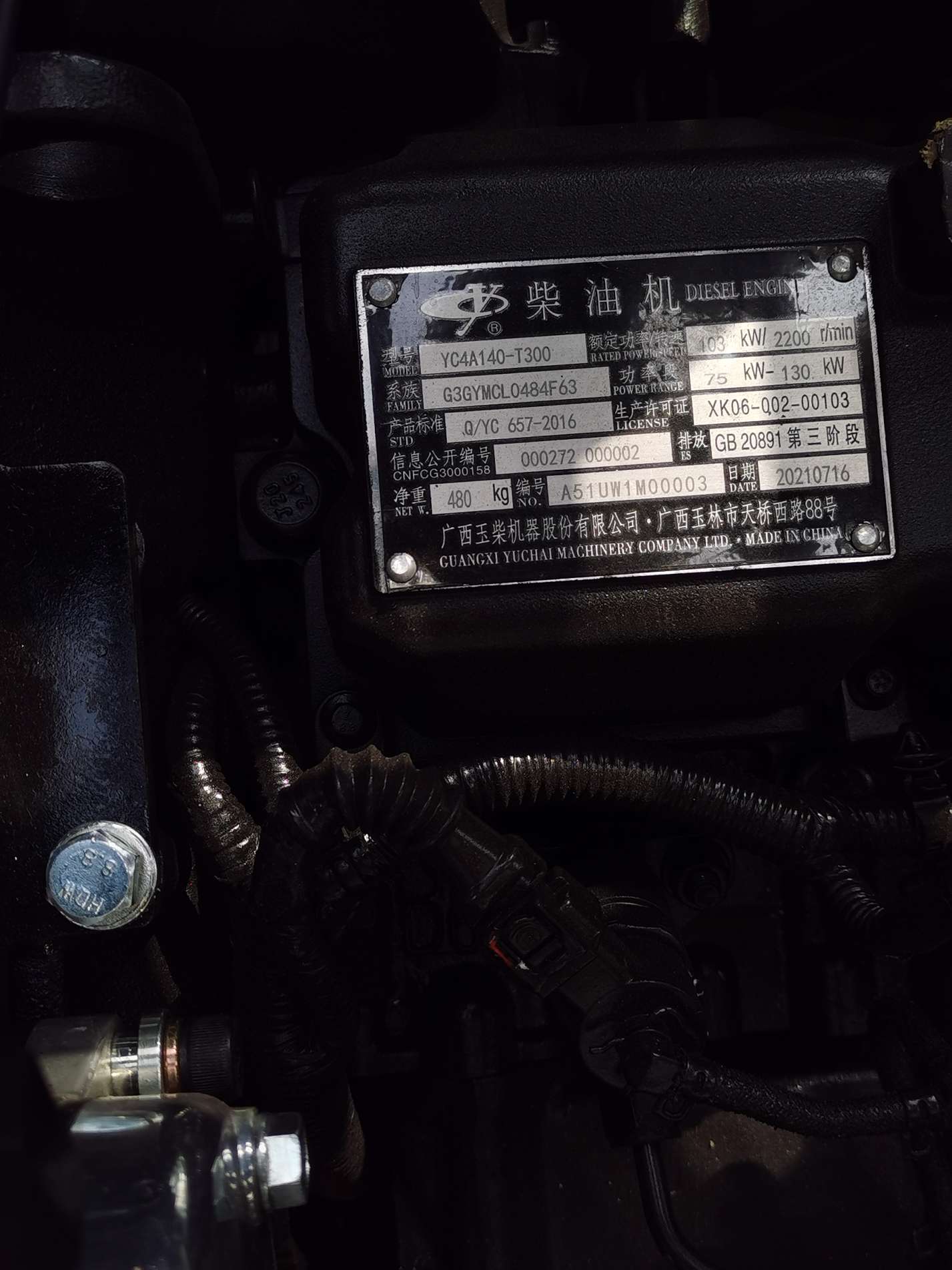
JG150L sử dụng động cơ Yuchai có công suất định mức 103kW tại 2.200 vòng/phút. Yuchai có lịch sử lâu dài trên thị trường thiết bị hạng nặng Trung Quốc chính xác vì những động cơ này được chế tạo cho chu kỳ làm việc liên tục, không phải sử dụng ngắt quãng. Vì động cơ thường là bộ phận lớn đầu tiên cần được chú ý, điều này rất quan trọng khi bạn dự đoán tổng tuổi thọ sử dụng.
Hệ thống thủy lực của JG150L hoạt động ở áp suất làm việc 32MPa với lưu lượng 270L/phút, được dẫn động bởi bơm piston biến thiên 2×63ml/vòng.
Áp suất cao hơn đồng nghĩa với lực đào lớn hơn—mẫu này đạt lực đào tối đa 90KN—nhưng nó cũng đòi hỏi phớt tốt hơn, hệ thống lọc tinh hơn và việc quản lý dầu nghiêm ngặt hơn. Tiết kiệm quá mức khi thay dầu thủy lực là cách nhanh nhất để làm giảm nhiều năm tuổi thọ của máy. Xem thêm bên dưới.
Guốc xích, con lăn và bánh sao chịu tác động mạnh trên địa hình đá hoặc có tính mài mòn. JG150L được trang bị guốc xích 500mm và chiều rộng dải xích 1.960mm—kích thước giúp phân bổ áp suất mặt đất và giảm hao mòn trên các loại đất công trường thông thường. Nhưng hãy thực tế: các bộ phận gầm máy là vật tư tiêu hao. Hãy dự trù thay thế chúng trước khi động cơ hoặc hệ thống thủy lực cần được bảo dưỡng.
Một máy đào đất mềm với ga một phần trong cả ngày sẽ luôn bền hơn một máy hoạt động ở lực đào tối đa (mức 90KN đó) trong công việc đào đá hoặc phá dỡ. Hệ thống bảo vệ quá tải khi quay với áp suất 25MPa của JG150L giúp ngăn hư hỏng trong quá trình quay quá tải, nhưng không có hệ thống bảo vệ nào thay thế được việc vận hành hợp lý.
Dưới đây là phân tích trực tiếp về thời điểm bạn nên thực hiện các công việc lớn trên từng bộ phận. Đây không phải là những con số lý tưởng trong điều kiện tốt nhất—chúng được rút ra từ cách các máy đào bánh xích cỡ trung trong nhóm trọng lượng này (trọng lượng vận hành 13.500kg của JG150L) thực sự hoạt động ngoài thực tế.
| Bộ phận | Khoảng thời gian bảo dưỡng điển hình trước khi sửa chữa lớn |
|---|---|
| Động cơ (với bảo dưỡng đúng cách) | 10.000–12.000 giờ trước khi đại tu |
| Bơm thủy lực | 8.000–10.000 giờ |
| Gầm máy (xích, con lăn, bánh sao) | 4.000–6.000 giờ |
| Xi lanh thủy lực / Phớt làm kín | 5.000–8.000 giờ |
| Toàn bộ máy (tuổi thọ sử dụng kinh tế) | 10.000–15.000 giờ với sự chăm sóc xuất sắc |
Muốn JG150L của bạn vượt qua 15.000 giờ? Đây là những gì các chủ đội máy thông minh nhất thực hiện—mỗi ngày:
Thay dầu thủy lực đúng lịch—không phải "khi nó trông bẩn."Với bình dầu thủy lực 200L và hệ thống 32MPa, chất bẩn làm mòn bơm và van nhanh hơn nhiều so với nhận thức của hầu hết người vận hành. Hãy tuân thủ khoảng thời gian thay dầu, không có ngoại lệ.
Đừng bỏ qua việc vệ sinh bình nhiên liệu.Bình nhiên liệu 240L giúp bạn có thời gian vận hành lâu hơn giữa các lần đổ đầy, nhưng cũng có nghĩa là nhiên liệu lưu lại lâu hơn. Giữ bộ lọc luôn mới và xả bộ tách nước hằng ngày.
Bôi mỡ chốt và bạc lót hằng ngày—không phải hằng tuần.Cần, tay cần và cơ cấu liên kết gầu (chiều dài cần 4.500mm, chiều dài tay cần 2.200mm trên JG150L) chịu ứng suất khớp nối liên tục. Chốt khô mòn nhanh hơn theo cấp số nhân so với chốt được bôi mỡ. Quy trình 5 phút này giúp tiết kiệm hàng nghìn chi phí thay thế.
Tôn trọng phạm vi đào.Làm việc ngoài độ sâu đào tối đa theo định mức (4.900mm) hoặc tầm với đào tối đa (8.050mm) gây áp lực bất thường lên xi lanh tay cần và các mối hàn kết cấu. Hãy biết giới hạn và vận hành trong phạm vi đó.
Điều chỉnh tốc độ di chuyển phù hợp với điều kiện mặt đất.Hệ thống di chuyển hai tốc độ của JG150L (5km/h tốc độ cao, 2,9km/h tốc độ thấp) tồn tại để bạn ưu tiên khả năng kiểm soát thay vì tốc độ trên địa hình gồ ghề. Sử dụng tốc độ cao trên nền đất không bằng phẳng làm tăng tốc độ mòn gầm máy mà không tiết kiệm thời gian thực tế—đừng làm vậy.
Trên giấy tờ và trong thực tế—có.
Sự kết hợp giữa hệ thống quay toàn phần 360° với thời gian quay một vòng đầy đủ 5,5 giây, khả năng leo dốc 70% / 35°, và bơm piston được thiết kế để duy trì áp suất thủy lực ổn định khi chịu tải—tất cả đều là dấu hiệu của một cỗ máy được chế tạo cho việc sử dụng thương mại liên tục, không phải công việc nhẹ nhàng thỉnh thoảng.
Không điều gì trong số đó có thể thay thế việc bảo dưỡng tốt, nhưng điều đó có nghĩa là giới hạn tuổi thọ làm việc của máy này thực sự rất cao nếu chủ sở hữu chăm sóc đúng cách.
Tuổi thọ của máy xúc không thực sự phụ thuộc vào logo thương hiệu trên tấm ốp bên hông. Nó phụ thuộc vào ba yếu tố:
Số giờ đã ghi nhận
Kỷ luật bảo dưỡng
Mức độ máy bị khai thác so với thông số định mức
Đối với máy xúc hạng 15 tấn như JG150L, 10.000+ giờ vận hành ổn định, tạo doanh thu là mục tiêu thực tế—và những máy được chăm sóc thủy lực cùng gầm máy đúng cách thường xuyên vượt qua con số đó.
Nếu bạn đang so sánh các loại máy—mới hoặc đã qua sử dụng—luôn hỏi hai câu hỏitrước khihỏi về tuổi đời:
Đồng hồ đã ghi nhận bao nhiêu giờ?
Bạn có thể cho tôi xem nhật ký bảo dưỡng không?
Hai câu trả lời đó cho bạn biết nhiều hơn về tuổi thọ còn lại của máy xúc so với năm sản xuất.
Máy xúc bánh xích JG150L – Cỗ máy 15 tấn bền bỉ với lực đào 90KN, động cơ Yuchai và tuổi thọ sử dụng hơn 10.000 giờ.
Nghiên cứu tình huống: JG150L trong công tác đào rãnh đô thị – Cách một đội ngũ thành phố đạt được 11.000 giờ với thời gian ngừng hoạt động tối thiểu.
Độ tin cậy đã được chứng minh: Được chế tạo với động cơ Yuchai và hệ thống thủy lực áp suất cao được thiết kế cho hoạt động thương mại liên tục.
Mạng lưới hỗ trợ toàn cầu: Phụ tùng chính hãng và hỗ trợ kỹ thuật có sẵn trên toàn thế giới.
Thông số minh bạch: Không phóng đại số liệu—hiệu suất thực tế mà bạn có thể tin tưởng.
Đối tác chiếu sáng ngoài trời đáng tin cậy của bạn (và đối tác thiết bị hạng nặng) – Chúng tôi cam kết hỗ trợ máy móc của mình với dịch vụ hậu mãi hàng đầu trong ngành.
Câu hỏi 1: Tuổi thọ trung bình của máy đào bánh xích 15 tấn là bao lâu?
Trả lời: Với việc bảo dưỡng đúng cách, bạn có thể kỳ vọng tổng thời gian hoạt động từ 10.000 đến 15.000 giờ trước khi cần đại tu lớn, tương đương khoảng 8–12 năm đối với hoạt động thông thường 1.000–1.200 giờ/năm.
Câu hỏi 2: Bộ phận nào trên máy đào bị hao mòn đầu tiên?
Trả lời: Thông thường, bộ phận gầm máy (xích, con lăn, bánh răng dẫn động) cần được chú ý đầu tiên, thường trong khoảng 4.000–6.000 giờ, tùy thuộc vào địa hình. Các bộ phận thủy lực và động cơ sẽ tiếp tục sau đó nếu được chăm sóc tốt.
Câu hỏi 3: Làm thế nào để kéo dài tuổi thọ hệ thống thủy lực của máy đào?
Trả lời: Tuân thủ nghiêm ngặt các khoảng thời gian thay dầu thủy lực và bộ lọc. Nhiễm bẩn là nguyên nhân hàng đầu gây hỏng bơm. Việc xả bộ tách nước hằng ngày và giữ bình chứa sạch cũng rất quan trọng.
Câu hỏi 4: Jinggong JG150L có phù hợp với nền đất đá không?
Trả lời: Có, guốc xích 500 mm và bộ phận gầm chắc chắn của máy được thiết kế cho nhiều điều kiện khác nhau. Tuy nhiên, chúng tôi khuyến nghị điều chỉnh tốc độ di chuyển phù hợp với địa hình và thường xuyên kiểm tra các bộ phận gầm để tối đa hóa tuổi thọ hao mòn.
Sẵn sàng tìm hiểu thêm về JG150L?
Nhận đầy đủ bảng thông số kỹ thuật, yêu cầu báo giá hoặc trao đổi với đội ngũ kỹ thuật của chúng tôi về ứng dụng cụ thể của bạn.WhatsApp:+8618805957336
No. 88 Pancuo, Jiaonan Village, HeShi Town, Luojiang District, Quanzhou, Fujian, China
điện thoại : +8618805957336
WhatsApp : +8618805957336
e-mail : winny@fjjgjx.com
 hỗ trợ mạng ipv6
 quét để wechat :

 điện thoại : +8618805957336
 e-mail : winny@fjjgjx.com


 sơ đồ trang web